Hoosky
Created by Oogo and Chomsky, two of the four members of La Fine Equipe who also run the french label Nowadays Records, Hoosky combines their forces as well as their influences to broaden the scope of what can be done in beatmaking.


Created by Oogo and Chomsky, two of the four members of La Fine Equipe who also run the french label Nowadays Records, Hoosky combines their forces as well as their influences to broaden the scope of what can be done in beatmaking.

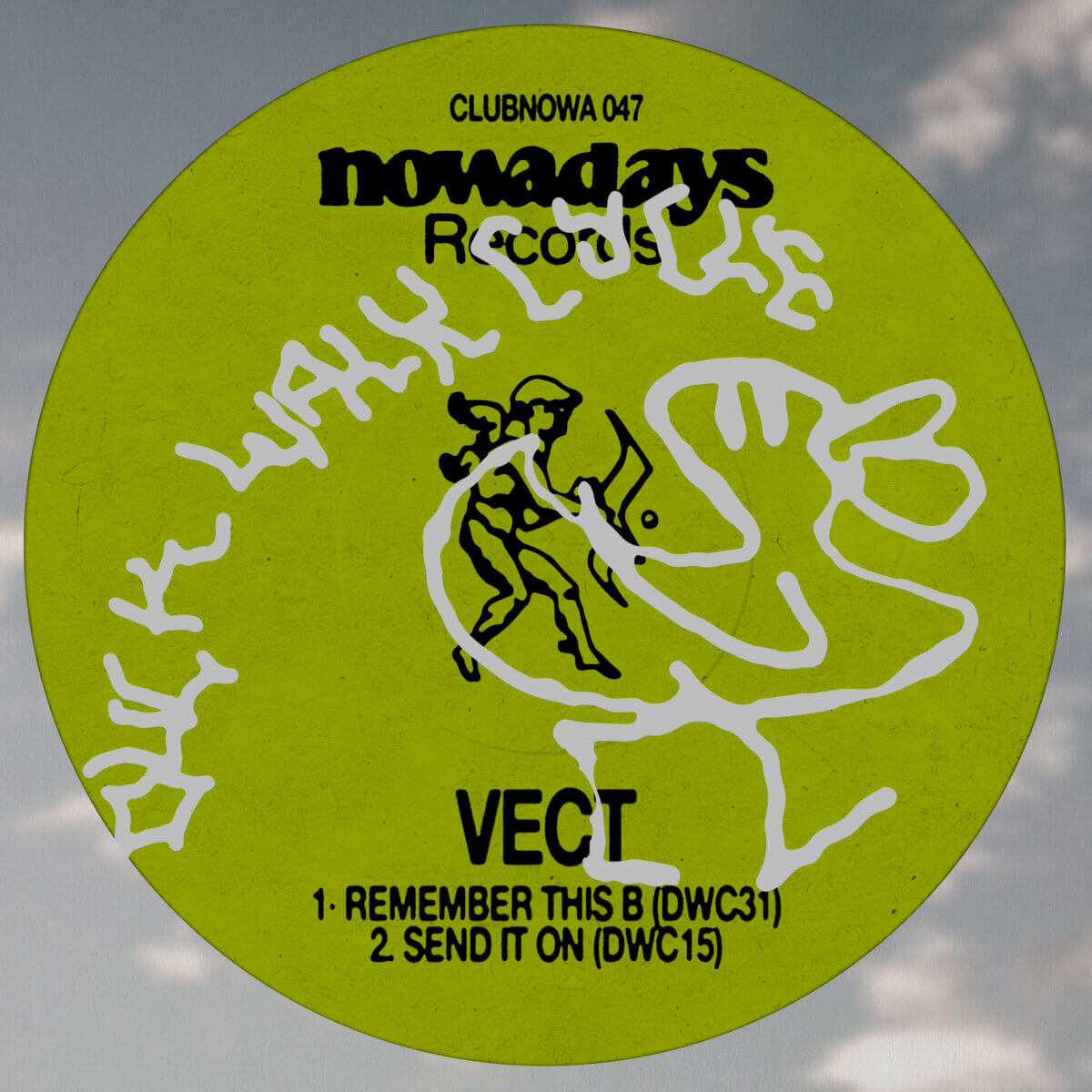
Remember This B (DWC31) (CLUB NOWADAYS 047)
This track could clearly serve as a DJ set intro where the "rotary mixer" aesthetic is fully embraced. The constant interplay of frequency modulations gives the piece a sense of perpetual motion, as if it were being shaped in real time. The variations in filters, levels, and textures gradually establish the groove rather than trying to reveal it immediately. "Remember This B" also showcases dub sounds, particularly in the way it circulates elements, letting them surface and then playing with the spaces. The track thus oscillates between a highly club-oriented approach and a more experimental form, where the mixing almost becomes an instrument in its own right. It acts as a continuously transforming loop, where every modulation shifts the listening experience and sets the stage for the arrival of the next track.
Send It On (DWC15) (CLUB NOWADAYS 047)
Built from micro-samples of a track by D’Angelo, who passed away in 2025, this production serves as a sort of tribute to him. The track relies on these fragments of soul material to build a pulsating loop, tinged with R&B, electronic textures, and acid motifs. The song seeks a balance between floating and grounding: the soul elements bring an organic warmth, while the acid sounds introduce a more mechanical, almost hypnotic tension. The vibe is kept deliberately restrained, allowing the different layers to overlap and create a feeling of continuous movement.

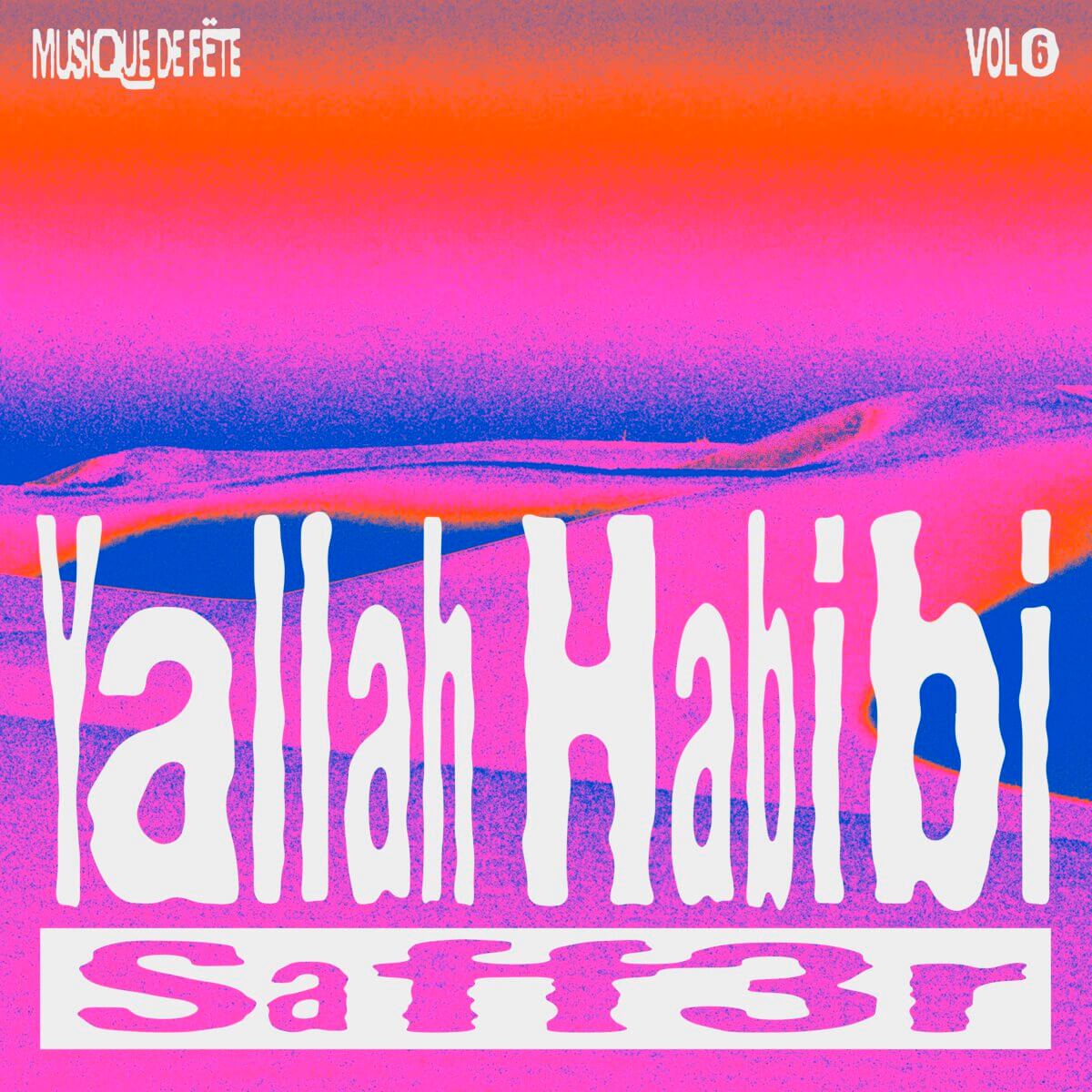
Specially crafted for the Musique de fête Vol.6 compilation, Saff3r's "Yallah Habibi" is an invitation to dance—an energetic and resolutely danceable ode to intercultural celebration.
Driven by a mesmerizing zurna riff and the catchy "Yallah Habibi" hook, the track draws its essence from the heart of Tunisian chaâbi and Oriental sounds, reinventing them for the dancefloor to bridge the gap between tradition and modernity.

Flavor & Spice marks a deliberate return to a more club-oriented aesthetic, while remaining deeply grounded in the album’s hybrid universe. The track is built around a classic house structure, designed for dance and club efficiency, while injecting it with a palette of Latin influences that completely renew its color.
At the heart of the piece, salsa-inspired pianos, voices, and brass intertwine in a hypnotic loop, creating a continuous tension between organic warmth and electronic mechanics. This fusion is reinforced by a powerful bassline driven by a Moog synthesizer, giving the track both its depth and physicality.
With Flavor & Spice, the artist revisits his house roots while projecting them into a more sunlit and mixed imaginary. A track designed for the club, where repetition becomes trance and each sonic element contributes to a collective, almost instinctive energy.

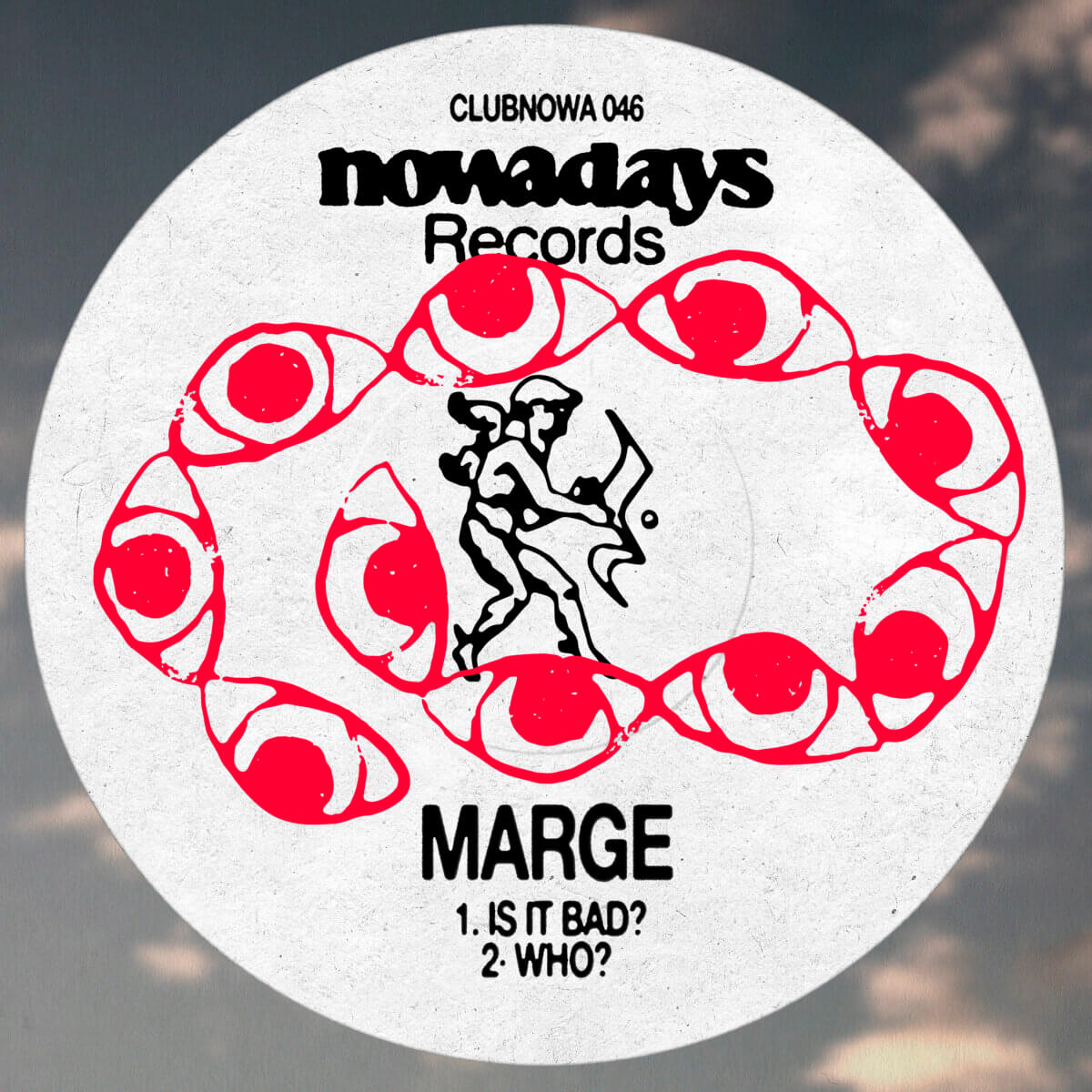
Is it bad? is a runway sound. It all starts with the club and the crowd’s energy. Marge wanted a track that exudes confidence and attitude. The track has a punchy groove, with edgier textures. It’s a sound designed to create that moment when the room becomes the main character, for the duration of a track.
Who? was born on the dancefloor, not in the studio. As always, Marge conceived it by picturing the crowd right in front of me: does this sound get people moving? Does it grab the room? Here, she wanted something electric, sharp, piercing textures and an energy that stays taut from start to finish. The track never really lets up the pressure; even the pauses are brief.

Blanka has been mixing and mastering Grems’ albums for over two years now. Over the course of that collaboration, they discovered they had a lot in common, including the fact that they are both Scorpios. Beyond the admiration Blanka has for him as an artist, rapper and painter, Grems has also become a true friend.
His latest project follows an artistic direction close to that of Melt, somewhere between jazz and rap. The track therefore spoke to him immediately when Blanka sent it over.
This collaboration also had a special flavor, as they had not worked together again since 5th Season with La Fine Équipe, on the track Nobu with 20syl. Here, the instrumental is further enriched by De Phase’s keyboards and bass, bringing even more depth and musicality to the whole piece.
Through this track, Blanka reconnects with a formula that has been dear to him since the early days of La Fine Équipe and La Boulangerie: bringing together the talents around him to create music that is hybrid, melodic, and made for dancing.

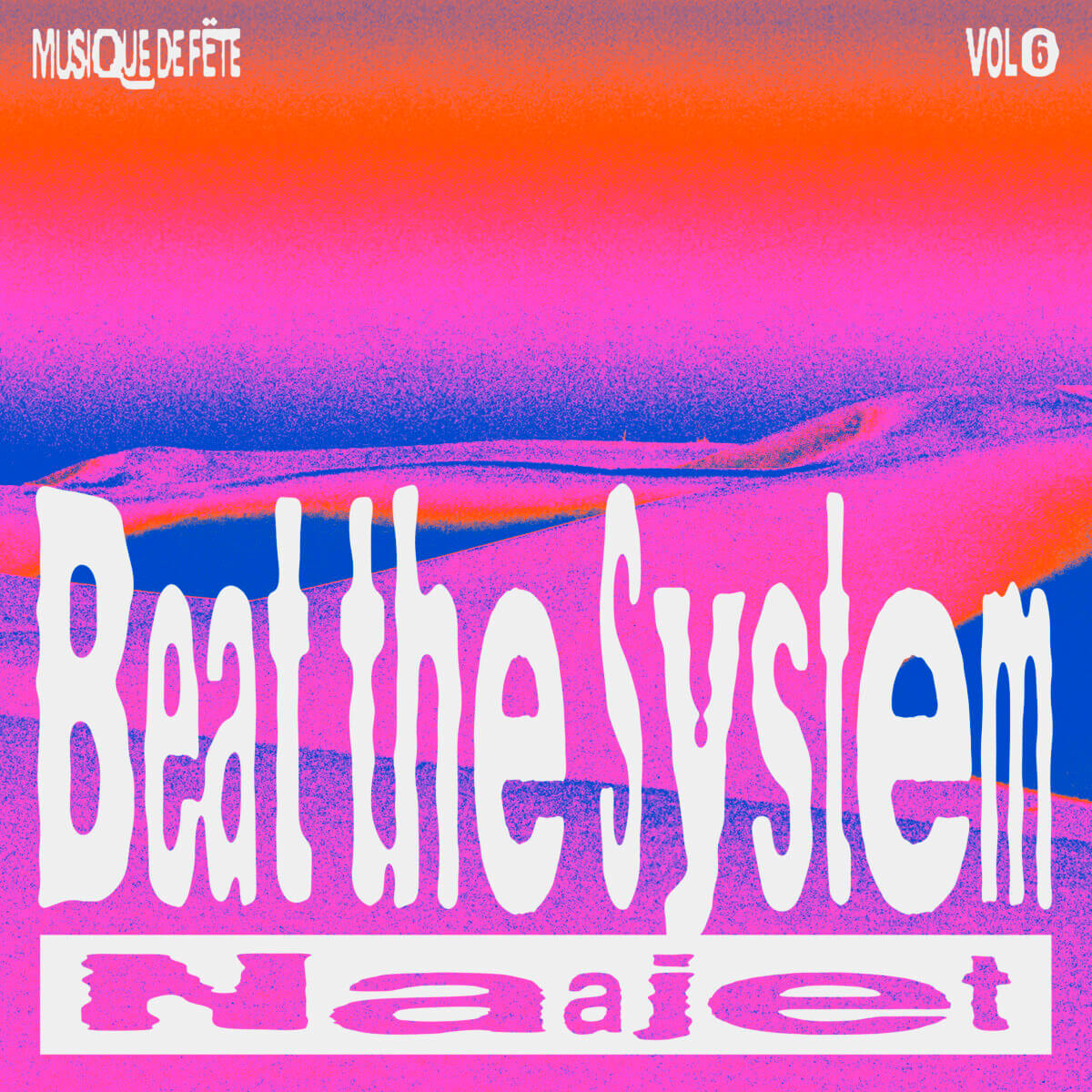
Naajet produce Beath the System as a tribute to House music, the culture that has shaped her since childhood. The track is also a nod to a classic, honoring and carrying on its legacy (some of you might even recognize it).

Shoes Pack plays with an idea that seems simple on the surface, but is loaded with meaning: an everyday object, a “shoebox,” transformed into a field for musical and linguistic expression. Driven by a chill house production designed for the club, the track fits within a fluid and danceable aesthetic, where repetition and groove act as the main engine.
The uniqueness of the track lies in its constant interplay between two rhythmic counting systems, the Anglo-Saxon “one, two, three, four” and the Hispanic “uno, dos, tres, cuatro”, which respond to one another, collide, and eventually coexist. The piece also draws on a pun around “Shoes Pack,” whose sound can, in certain local Colombian contexts (especially in Cali), be confused with an expression associated with a simple plastic bag, creating a revealing linguistic misunderstanding.
Through this shift in meaning, the track highlights the way dominant languages, especially English, can culturally and symbolically impose themselves at the expense of local expressions, producing a form of implicit linguistic violence within collective imaginaries.
Between reflection and dancefloor efficiency, Shoes Pack turns this tension into musical material. The result is a track that appears light on the surface but carries a deeper intention, where the dancefloor becomes a place where languages, identities, and influences circulate.

Blanka first met Nao during a trip to Japan in 2024, where he was immediately struck by the beauty of her voice. Papa Rua, on the other hand, holds a special place in his story: he was the first singer to be welcomed in residency at Blanka’s new studio in the south of France, in 2022. From their very first recording session together, Blanka felt a strong artistic connection and instantly knew he would one day want to invite him onto one of his tracks.
These two artists have particularly complementary tones, blending together with rare fluidity. Blanka is very happy to bring them both together on this production, carried by a slow groove, silky Fender Rhodes, and a soft jazz guitar acquired especially for the occasion. A fluid and dreamlike track, reflecting those suspended moments life can sometimes offer.

For the first time, an album that talks about humans, emotions, and Fakear. It is both filled with nostalgia and hope, love and anger, loneliness and celebration. A sort of autobiography that draws its roots from his teenage years as a skater / metalhead / emo kid who struggled to find his place in the world, while the adult writing it pretends to be certain that it’s all good now, that he's happy, that he has found his role, his destiny. An album full of contradictions, where the lightness of the title contrasts with the intense emotions expressed in the music. Everything is darker, more festive, and more extreme, just like the most vivid and memorable emotions are.

what you made was probably the most rewarding song for Hausmane to produce, despite being one of his most minimalist tracks. Hausmane wanted everything to feel warm and intimate. The guitars, the vocals, the woody textures in the beat... every element is there to make you feel as close as possible to what the song is trying to say. He wanted the production to leave space for the emotion without overdoing it — like the song is sitting right there next to you.